

Trading on instinct feels fast, but it’s rarely smart. Players who check fruit values first avoid the regret that comes from realizing, hours later, that a trade was never close to fair. A quick check before agreeing costs you seconds, while skipping it can cost you an item you spent weeks grinding for. Values shift often as new fruits release and demand moves around, so what felt fair last week might already be outdated today. Building the habit of checking first, every single time, is what separates traders who consistently come out ahead from those who keep wondering where their best fruits went.
Why Checking Value First Prevents Regret
A quick look before accepting anything can save an item you’ve spent weeks grinding for. When you consistently verify value before trading, you build a habit that protects your inventory instead of relying on luck or a stranger’s word.
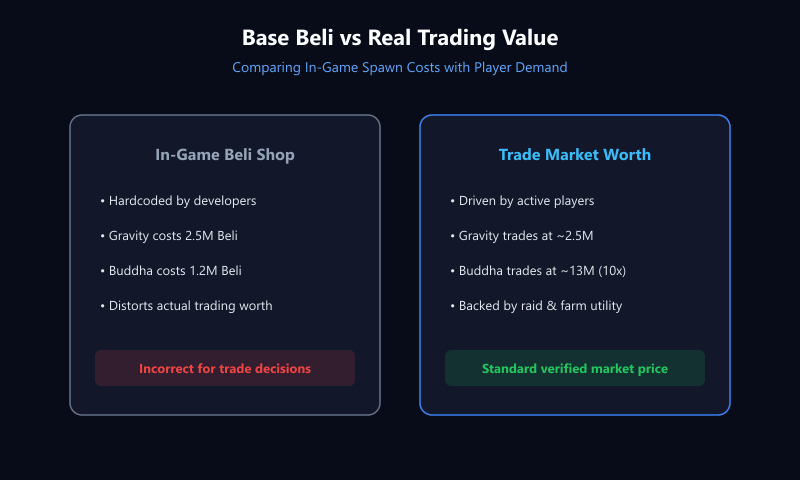
Understanding Base Value vs Market Value
These two numbers aren’t the same thing. Base value reflects rarity and raw stats, while market worth reflects what people are actually willing to pay right now. Learning to compare price vs value is the first real skill every trader needs.
Checking Demand Before Checking Price
A fruit can have a high price tag and still be hard to move if nobody wants it. Always check current demand alongside the number, since demand level often shifts faster than the base value ever does.
Looking Up Recently Updated Fruits
Fresh releases and reworked fruits move constantly in the first days after a change. It pays to review recent trades involving that item specifically, rather than trusting a static number that hasn’t caught up yet.
Comparing Values Across Different Sources
One list is never the full picture. Cross-check with two sources minimum, and treat any large gap between them as a reason to wait rather than trade immediately on unclear information.
| Source Type | What It's Good For | How Often to Check |
|---|---|---|
| Value list site | Quick base value reference | Before every trade |
| Trading Discord | Real trade data from recent deals | Daily, or after big trades |
| Experienced traders | Context on demand and liquidity | When numbers seem unclear |
| Personal notes | Tracking items you trade often | After each completed trade |
Accounting for Fruit Rarity Tiers
Rarity tier plays a role, but it’s not the whole story. Two fruits in the same tier can trade very differently depending on their demand and liquidity, so never assume rarity alone sets the final number.
Checking Value Before Major Game Updates
Values tend to swing hard right before and after big patches. It’s smart to check value after updates, since a fruit’s worth can shift overnight once new content changes what’s considered strong.
Watching for Temporary Value Spikes
Hype from a new event or a popular video can cause a short-term jump that fades days later. Avoid outdated value lists written during a spike, and instead wait for the number to settle before treating it as normal.
Verifying Value With Experienced Traders
Numbers only tell part of the story. Verify with trusted traders who’ve actually moved that fruit recently — they’ll know things a static list can’t capture, like how easy or hard it currently is to resell. A quick message asking whether a fruit is moving quickly or sitting untouched can save you from trusting a number that technically matches a list but doesn’t reflect what’s actually happening in trade chats right now.
Saving a Personal Value Reference List
Keep your own running notes as you trade. A personal value list built from real experience becomes more useful over time than any single external source, since it reflects exactly the trades you’ve actually seen happen. Even a simple spreadsheet with dates and outcomes becomes a valuable reference within a few weeks, letting you spot patterns in how certain fruits behave around updates instead of relearning the same lesson every time.