
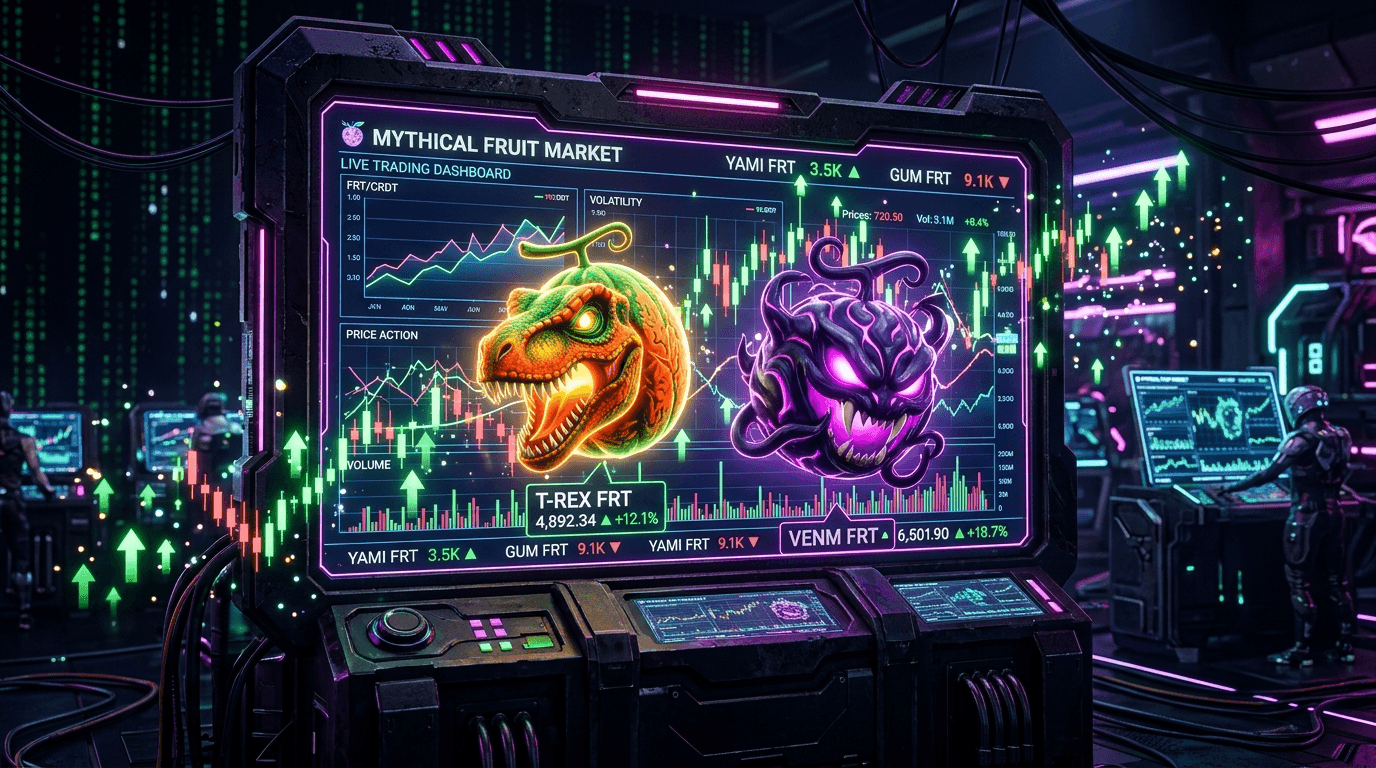
Ask any long-time trader and they’ll tell you the same thing: nothing about the trade value list stays still for long. New fruits arrive, old ones fall out of favor, and a number that felt solid last month can quietly shift without any warning. Updates, community demand, and even how often a fruit shows up in trades all play a part in pushing values up or down. Understanding why values change often is the difference between trading confidently and constantly feeling one step behind, chasing numbers that already moved on. Once you know what drives these shifts, checking the list before every trade stops feeling like extra work and starts feeling like common sense.
How New Updates Shake Up the Market
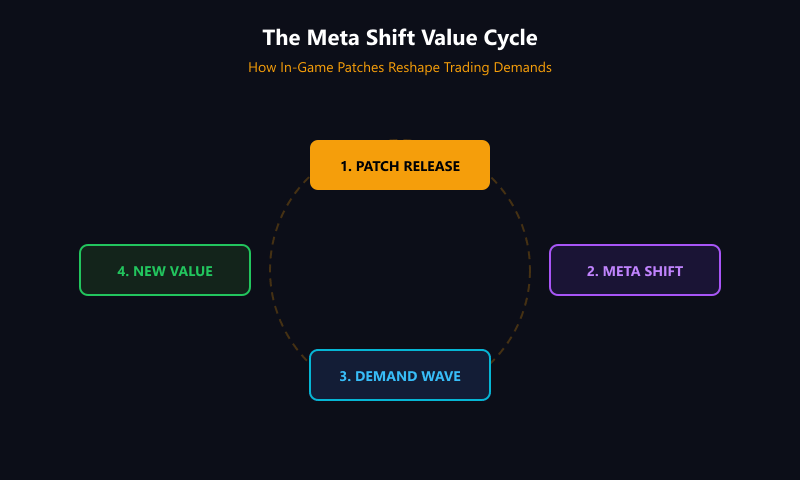
Every major patch resets expectations. New content forces the whole community to check after major updates, since a single balance tweak can push fruits up or down without warning.
The Role of Fruit Rarity in Value Shifts
Rarity sets a rough starting point, but it doesn’t move on its own. A balance buff or fruit rework can override rarity entirely, turning a once-average fruit into something everyone suddenly wants.
Why Demand Matters More Than Rarity
Player demand is the real engine behind pricing. It’s entirely possible for a rare fruit to sit at a low value simply because nobody finds it useful, while a common one climbs because of its role in the current PvP meta.
How Community Trends Drive Price Changes
Hype spreads fast. A popular streamer or a trending clip can create a hype cycle around one fruit, pushing its price up temporarily even without any actual in-game changes behind the surge.
The Impact of New Fruit Releases
Fresh releases reshuffle the entire board. Older fruits often lose ground once a stronger option arrives, so it’s worth learning to predict future value trends rather than reacting only after the shift already happened.
Why Some Fruits Lose Value Overnight
A nerf can gut a fruit’s usefulness in a single patch note. When that happens, expect a fast value spike downward as traders rush to offload it before the number drops any further.
| Trigger | Typical Effect on Value | How Long It Lasts |
|---|---|---|
| Game update or rework | Sharp, immediate shift | Days to weeks |
| Seasonal event | Temporary rise, then settles | Duration of the event |
| Nerf or balance patch | Value drop, often fast | Usually permanent |
| Viral video or trend | Short-term hype spike | A few days at most |
| New fruit release | Older fruits lose ground | Ongoing, gradual |
How Events Temporarily Boost Fruit Prices
A seasonal event can create short bursts of demand for fruits tied to limited challenges. These bumps rarely last, so monitor seasonal event impact carefully instead of assuming a spike is permanent.
The Effect of Game Balancing Changes
Value volatility rises sharply right after balance patches. It’s smart to recheck after balance patches before trading anything affected, since the old number may already be several days out of date.
Why Player Perception Shapes Value
Sometimes a fruit’s worth has less to do with stats and more to do with creator attention or community reputation. Perception alone can hold a price steady — or crash it — regardless of actual performance in fights. Two fruits with nearly identical stats can trade at very different prices simply because one has a stronger reputation in the community, so don’t assume the number in front of you always reflects raw performance alone.
Staying Updated With a Changing Market
The safest habit is simple: follow update notes closely and avoid trusting old numbers for more than a few days at a time. A market this active rewards traders who stay current far more than those who trade from memory. Setting aside a few minutes after every update to skim patch notes and recheck a handful of fruits you commonly trade keeps your mental price list accurate without requiring constant, exhausting research.